The people of ITER
2024
What is ITER?
ITER (“The Way” in Latin)
is one of the most ambitious energy projects in the world today.
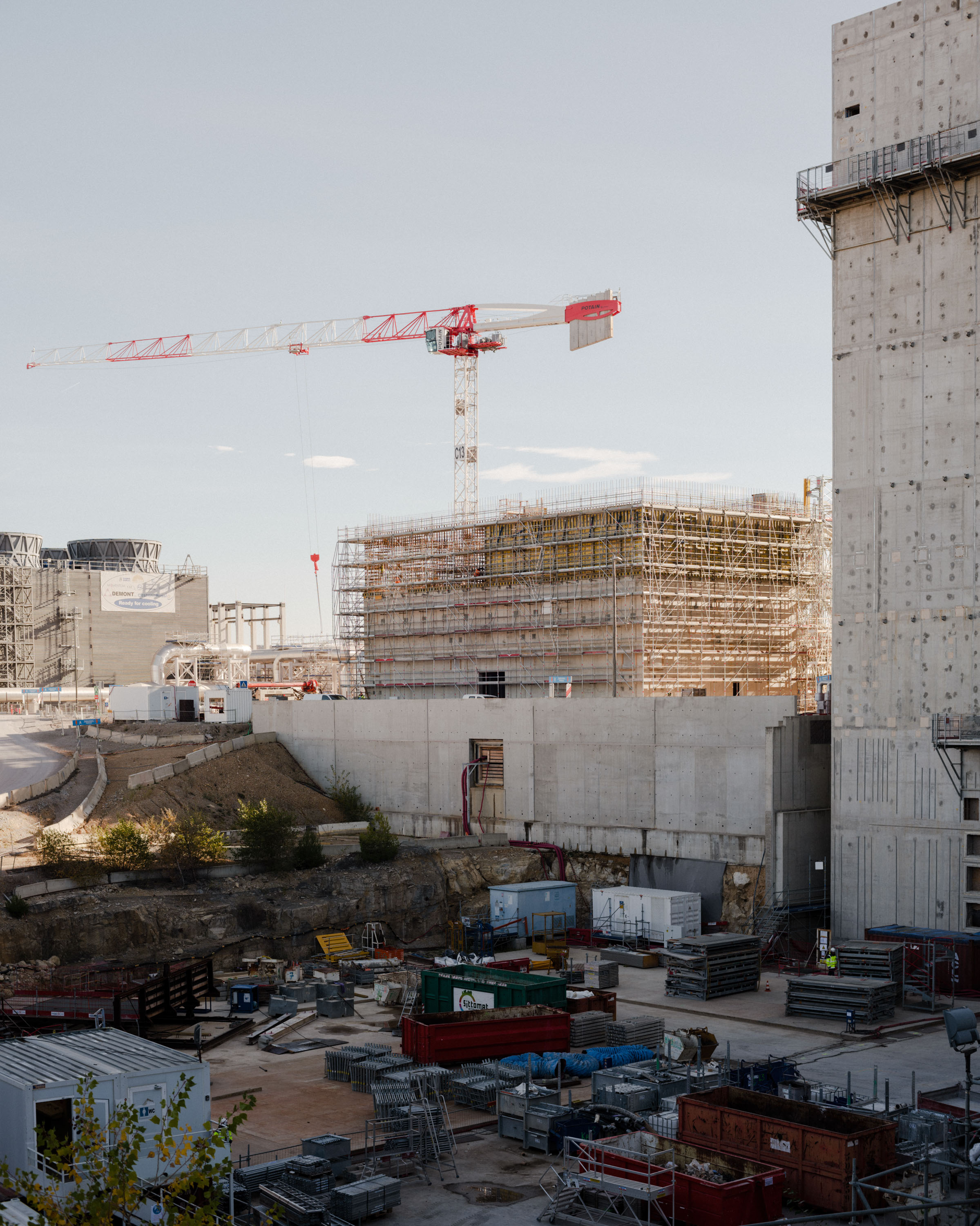
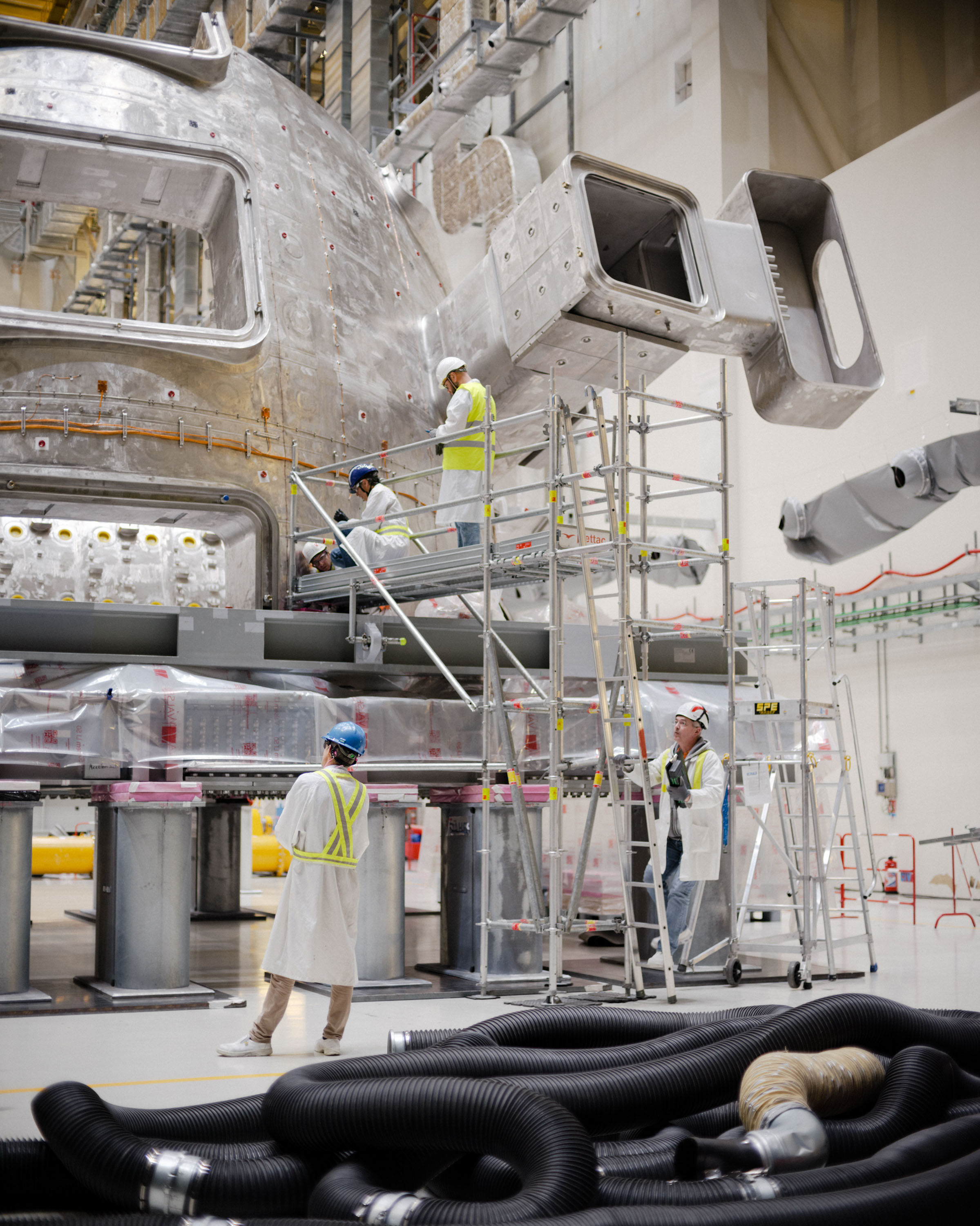
In southern France, 35 nations are collaborating to build the world’s
largest tokamak, a magnetic fusion device that has been designed to
prove the feasibility of fusion as a large-scale and carbon-free source
of energy based on the same principle that powers our Sun and stars.
The experimental campaign that will be carried out at ITER is crucial to
advancing fusion science and preparing the way for the fusion power
plants of tomorrow.
The primary objective of ITER is the investigation and demonstration of
burning plasmas—plasmas in which the energy of the helium nuclei
produced by the fusion reactions is enough to maintain the temperature
of the plasma, thereby reducing or eliminating the need for external
heating.
ITER will also test the availability and integration of technologies
essential for a fusion reactor, such as superconducting magnets,
remote maintenance, and systems to exhaust power from the plasma, as
well as the validity of tritium breeding module concepts that would
lead in a future reactor to tritium self-sufficiency.
Thousands of engineers and scientists have contributed to the design of
ITER since the idea for an international joint experiment in fusion was
first launched in 1985.
The ITER Members—China, the European Union, India, Japan, Korea, Russia
and the United States—are now engaged in a decades-long collaboration
to build and operate the ITER experimental device, and together bring
fusion to the point where a demonstration fusion reactor can be
designed.
We invite you to explore the ITER website for more information on the
science of ITER, the ITER international collaboration and the
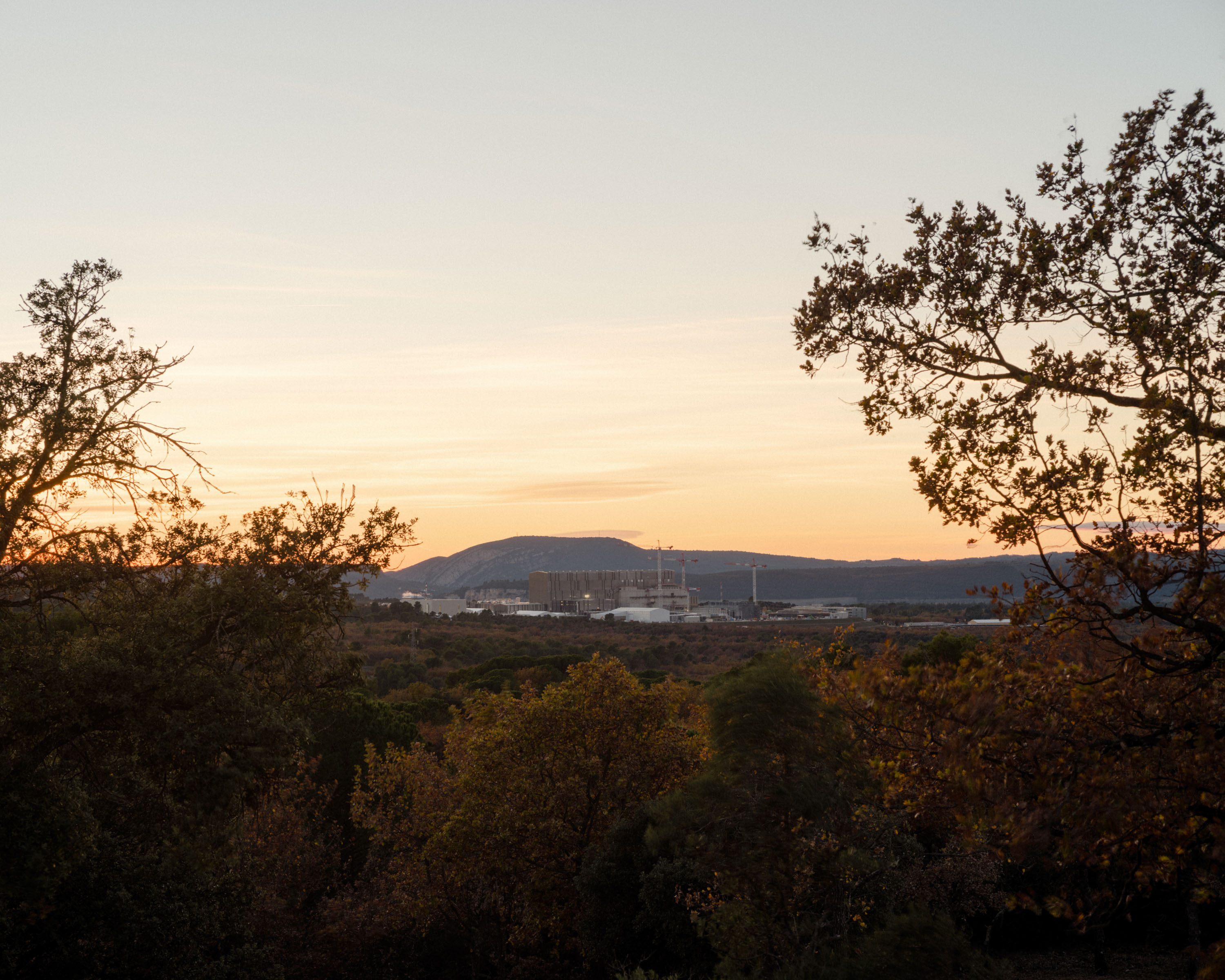
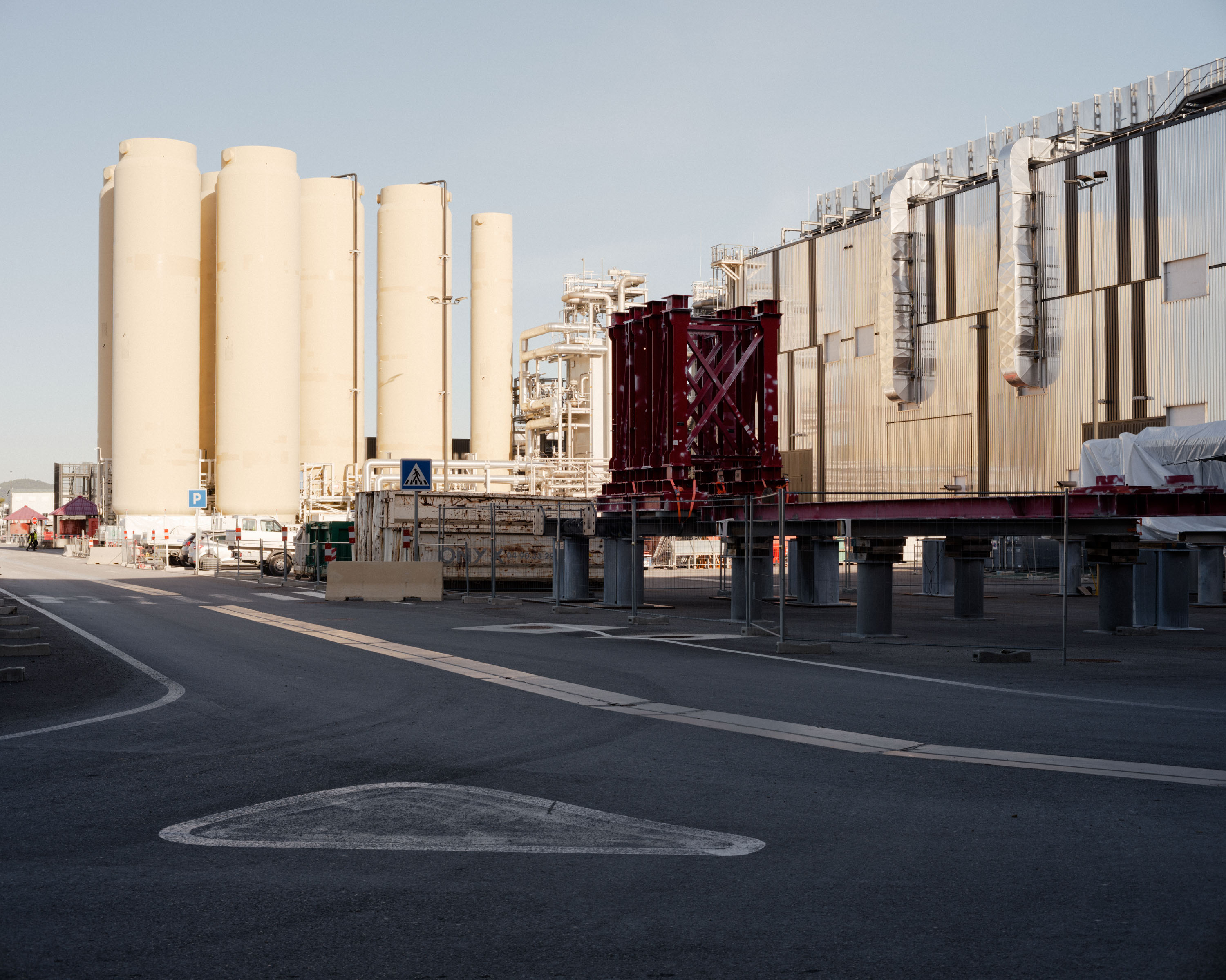
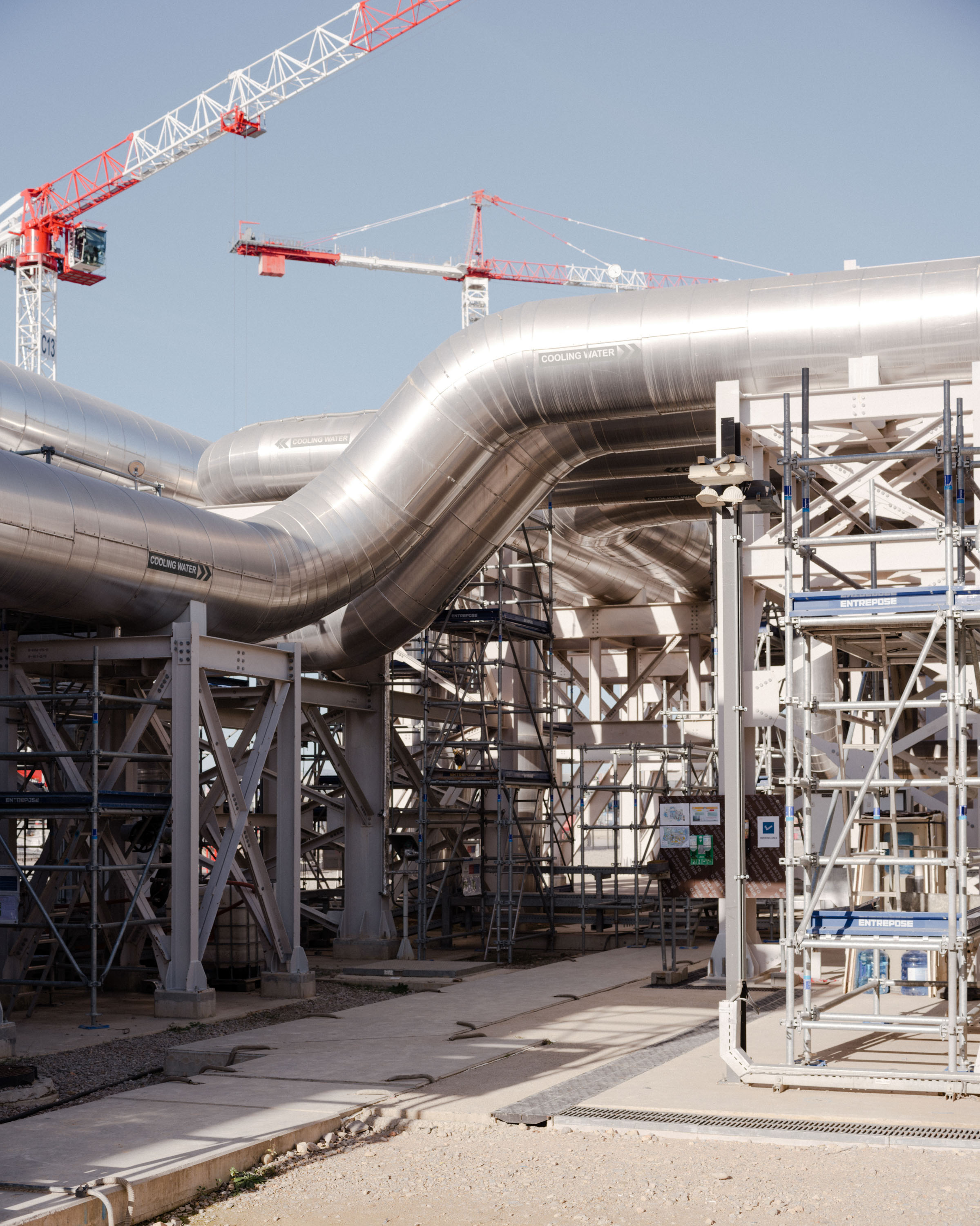
large-scale building project that is underway in Saint Paul-lez-Durance,
southern France.
What is fusion?
Fusion is the energy source of the Sun and stars. In the tremendous heat
and gravity at the core of these stellar bodies, hydrogen nuclei
collide, fuse into heavier helium atoms and release tremendous amounts
of energy in the process.
Twentieth-century fusion science identified the most efficient fusion
reaction in the laboratory setting to be the reaction between two
hydrogen isotopes, deuterium (D) and tritium (T), as the DT fusion
reaction produces the highest energy gain at the “lowest”
temperatures.
Three conditions must be fulfilled to achieve fusion in a laboratory:
very high temperature (on the order of 150,000,000 °C); sufficient
plasma particle density (to increase the likelihood that collisions do
occur); and sufficient confinement time (to hold the plasma, which has
a propensity to expand, within a defined volume).
At extreme temperatures, electrons are separated from nuclei and a gas
becomes a plasma—often referred to as the fourth state of matter.
Fusion plasmas provide the environment in which light elements can fuse
and yield energy.
In a tokamak device, powerful magnetic fields are used to confine and
control the plasma.
ITER members
As signatories to the ITER Agreement, the ITER Members China, the
European Union, India, Japan, Korea, Russia and the United States will
share in the cost of project construction, operation and
decommissioning, and also share in the experimental results and any
intellectual property generated by the project. Twenty years of
collaborative research experiments are planned on the machine.
Europe* is responsible for the largest portion of construction costs
(45.6 percent); the remainder is shared equally by China, India, Japan,
Korea, Russia and the US (9.1 percent each). The Members contribute
very little monetary contribution to the project: instead, nine-tenths
of contributions will be delivered to the ITER Organization in the form
of completed components, systems or buildings.
In this way, the scientific and industrial fabric in each Member is
prepared for the step after ITER—the conception and realization of the
type of prototype fusion reactor that will demonstrate industrial-scale
fusion electricity within this half of the century.
For all Members, the benefits of participation are significant: by
contributing a portion of the project’s costs, Members benefit from
100 percent of the scientific results and all generated intellectual
property.
Each Member has created a Domestic Agency to fulfil its procurement
responsibilities to ITER. These agencies employ their own staff, have
their own budget, and contract directly with industry.
Communication between the ITER Organization and the Domestic Agencies
is facilitated by state-of-the-art collaborative CAD design tools,
integrated project teams for specific components or projects, and video
conferencing. The working language for the project is English.
Taken together, the ITER Members represent three continents, over 40
languages, half of the world’s population and 85 percent of global
gross domestic product.
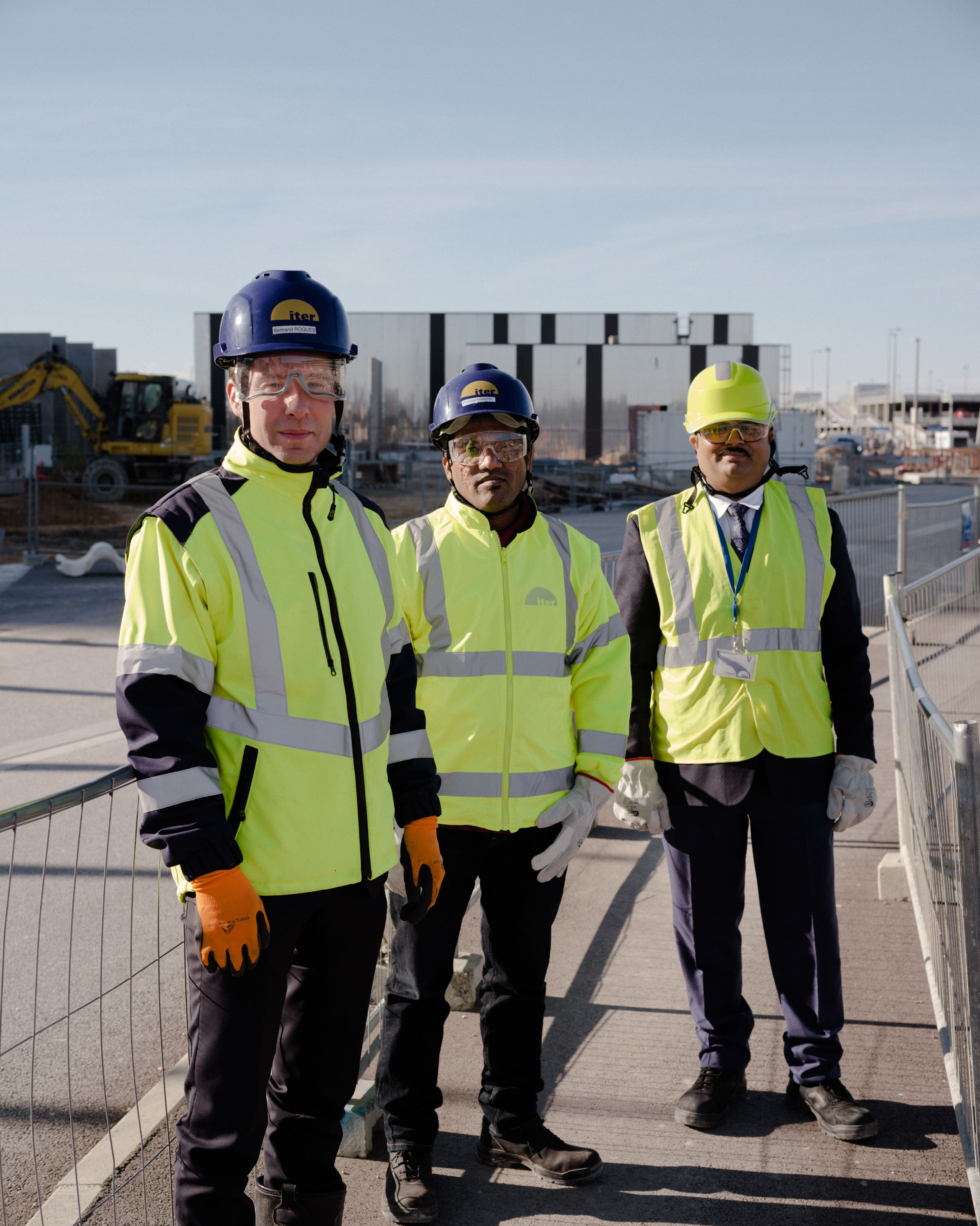
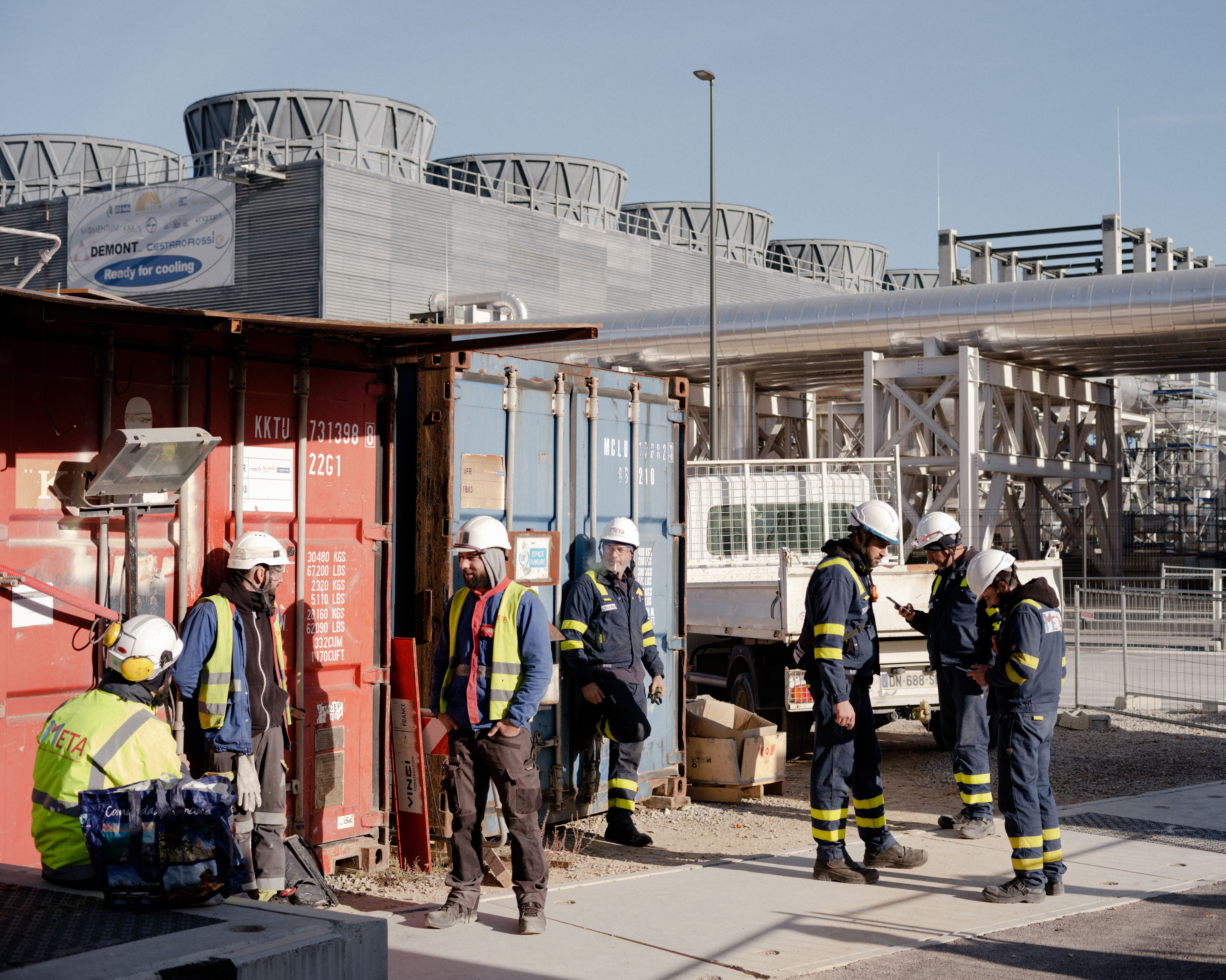
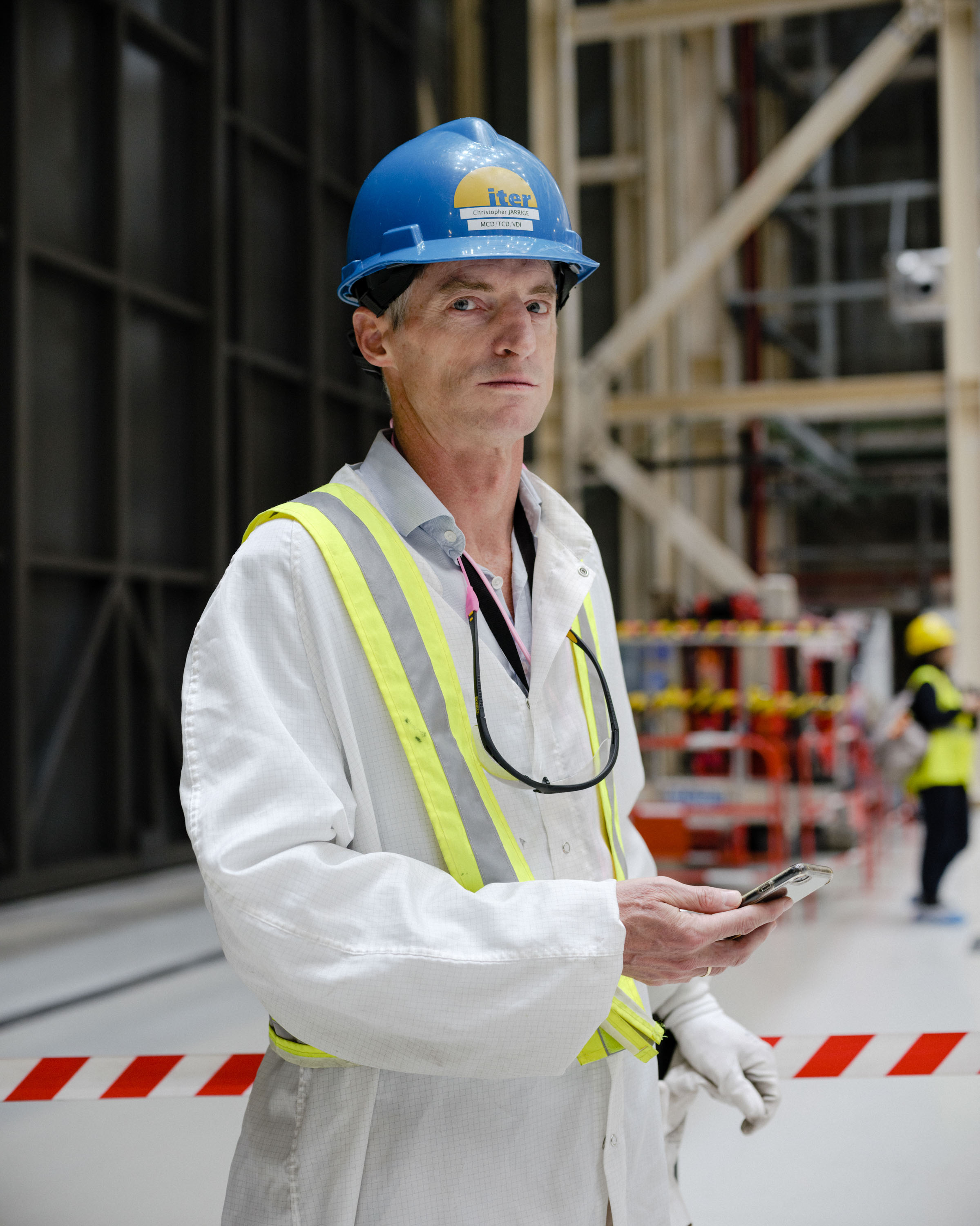
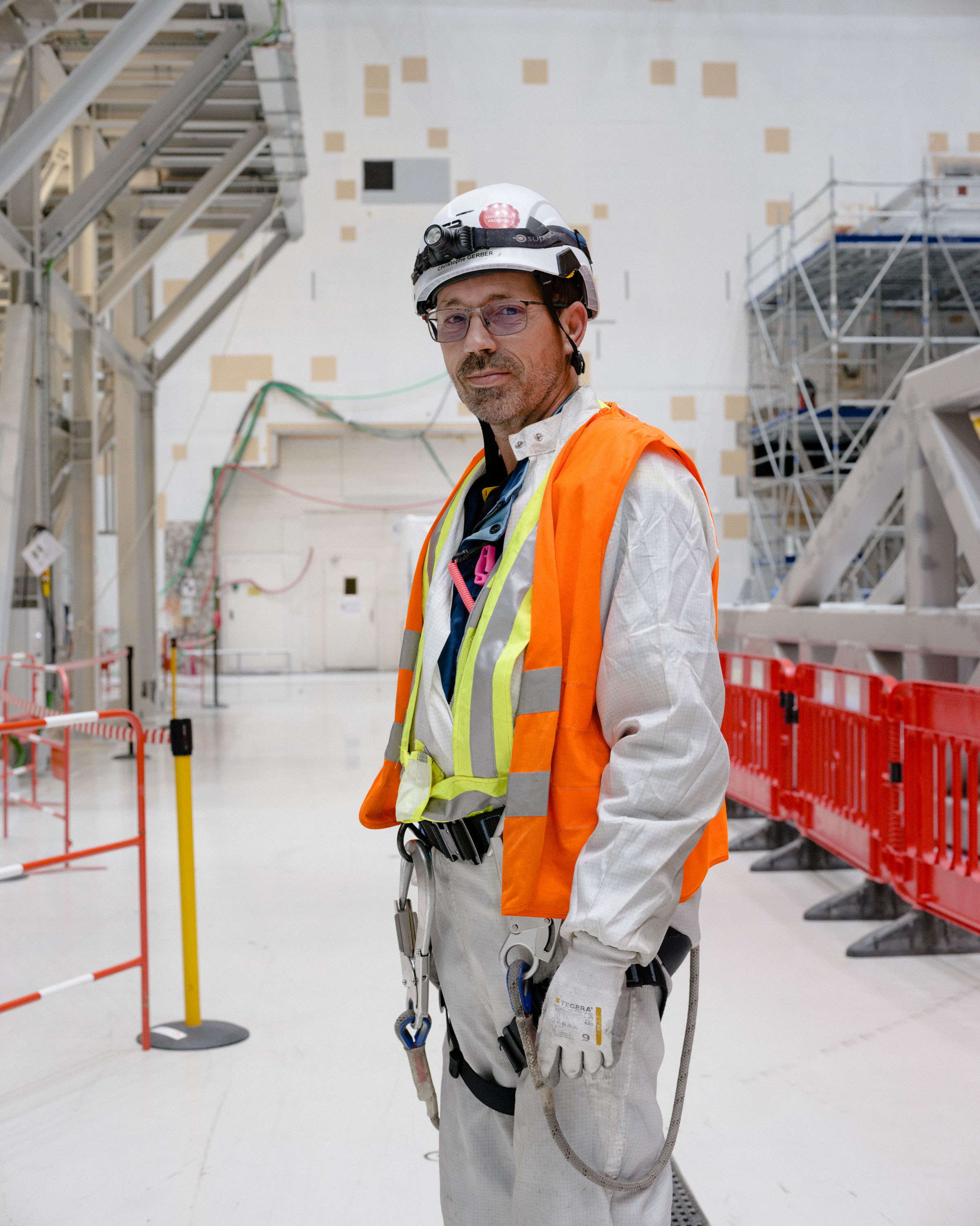
In the offices of the ITER Organization and the Domestic Agencies, in
laboratories and in industry, literally thousands of people are working
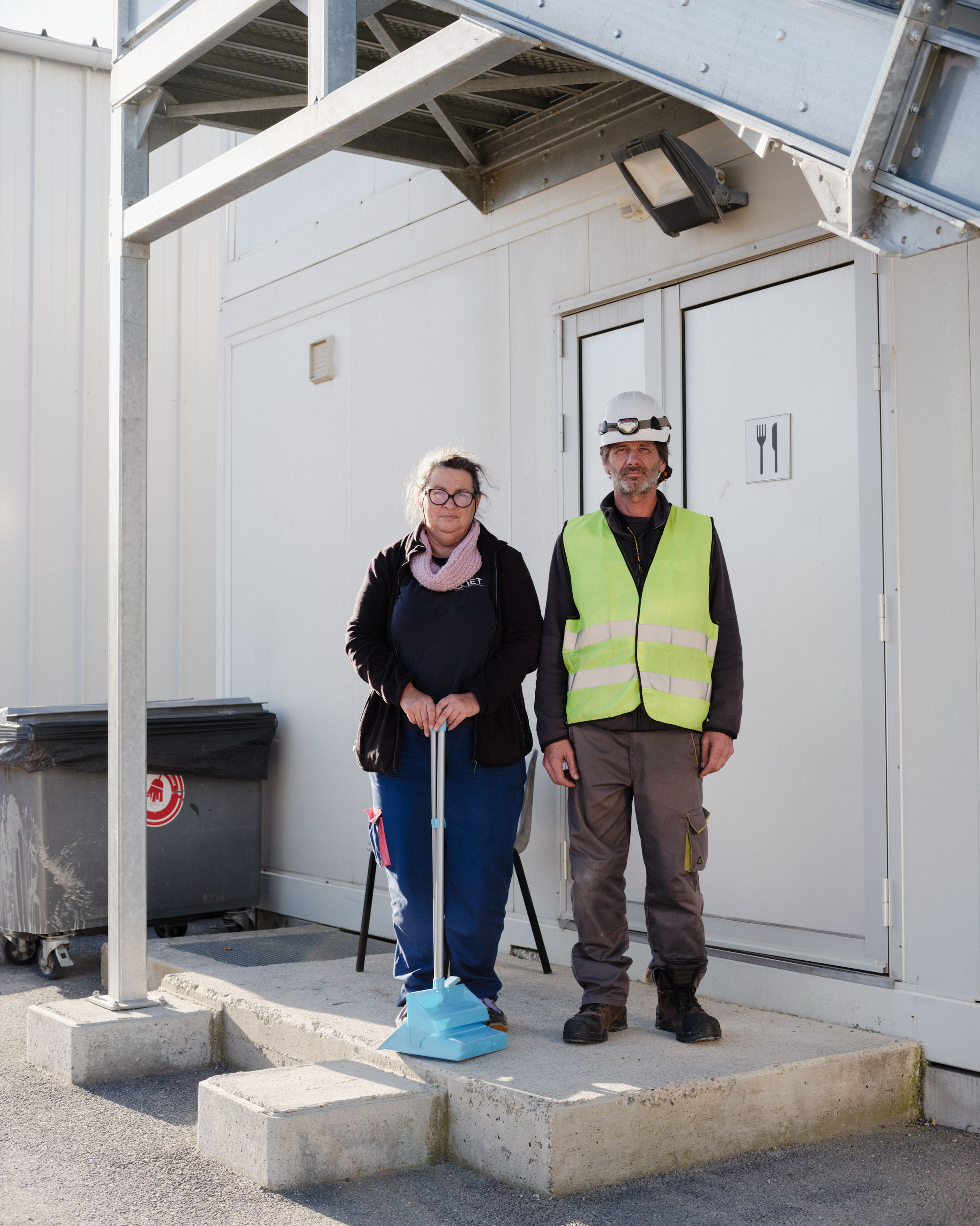
toward the success of ITER.
The ITER Organization has also concluded non-Member technical
cooperation agreements with Australia (through the Australian Nuclear
Science and Technology Organisation, ANSTO in 2016); Kazakhstan
(through Kazakhstan’s National Nuclear Center in 2017), and Canada.
What will ITER do?
The amount of fusion energy a tokamak is capable of producing correlates
directly to the number of fusion reactions taking place in its core.
Scientists know that the larger the vessel, the larger the volume of
the plasma ... and therefore the greater the potential for fusion
energy.
With ten times the plasma volume of the largest machine operating today,
the ITER Tokamak will be a unique experimental tool, capable of longer
plasmas and better confinement. The machine has been designed
specifically to:
1) Achieve a deuterium-tritium plasma in which the fusion conditions are
sustained mostly by internal fusion heating.
Fusion research today is at the threshold of exploring a burning plasma.
In a burning plasma, the heat from the fusion reaction is confined
within the plasma efficiently enough for the self-heating effect to
dominate any other form of heating.
As the first such burning plasma device in the world, ITER will offer
scientists a unique opportunity to chart new territory in controlled
nuclear fusion.
2) Generate 500 MW of fusion power in its plasma for long pulses.
The world record for fusion power in a magnetic confinement fusion
device is held by the European tokamak JET. In 1997, JET produced
16 MW of fusion power from a total input heating power of 24 MW
(Q=0.67).
ITER is designed to yield in its plasma a ten-fold return on power
(Q=10), or 500 MW of fusion power from 50 MW of input heating power.
ITER will not convert the heating power it produces as electricity,
but—as the first of all magnetic confinement fusion experiments in
history to produce net energy gain across the plasma (crossing the
threshold of Q ≥ 1)—it will prepare the way for the machines that can.
Of course, since ITER is an experimental device, the energy balance in
focus in the ITER design is that of the fusion process itself.
When taking into account the electricity consumption of the whole plant,
the ITER design includes redundant systems, exceptional numbers of
diagnostics, and other aspects that are inherently inefficient.
Future commercial designs, to be successful, will need to have a
favourable comparison between output fusion power and electricity
production, and the total input electric power.
3) Contribute to the demonstration of the integrated operation of
technologies for a fusion power plant.
ITER will bridge the gap between today’s smaller-scale experimental
fusion devices and the demonstration fusion power plants of the future.
Scientists will be able to study plasmas under conditions similar to
those expected in a future power plant and test technologies such as
heating, control, diagnostics, cryogenics and remote maintenance.
4) Test tritium breeding.
One of the missions for the later stages of ITER operation is to
demonstrate the feasibility of producing tritium from lithium
(lithium isotope Li-6) within the vacuum vessel.
The world supply of tritium (used with deuterium to fuel the fusion
reaction) is not sufficient to cover the needs of future power plants.
ITER will provide a unique opportunity to test mockup in-vessel tritium
breeding blankets in a real fusion environment.
5) Demonstrate the safety characteristics of a fusion device.
In 2012, when the ITER Organization obtained licensing as a nuclear
operator in France, the ITER fusion device became the first in the world
to have successfully undergone the rigorous examination of its safety
case.
One of the primary goals of ITER operation is to demonstrate control of
the plasma and fusion reactions with negligible consequences to the
environment.
Advantages of fusion
The next decades are crucially important to putting the world on a path
of reduced greenhouse gas emissions.
By the end of the century, demand for energy will have tripled under
the combined pressure of population growth, increased urbanization and
expanding access to electricity in developing countries.
The fossil fuels that shaped 19th and 20th century civilization can
only be relied on at the cost of greenhouse gases and pollution.
A new large-scale, sustainable and carbon-free form of energy is
urgently needed. The following advantages make fusion worth pursuing.
Abundant energy:
Fusing atoms together in a controlled way releases nearly four million
times more energy than a chemical reaction such as the burning of coal,
oil or gas and four times as much as nuclear fission reactions at equal
mass.
Fusion has the potential to provide the kind of baseload energy needed
to provide electricity to our cities and our industries.
Millions of years:
Fusion in ITER will require two elements: deuterium and tritium.
Deuterium can be distilled from all forms of water, while tritium will
be produced during the fusion reaction as fusion neutrons interact
with lithium.
Terrestrial reserves of lithium would permit the operation of fusion
power plants for more than 1,000 years, while sea-based reserves of
lithium, used in a fusion reactor in its Li-6 isotope form, would fulfil
needs for millions of years.
A critical challenge is how to breed and recover tritium reliably in a
fusion device.
No CO2:
Fusion doesn’t emit harmful substances like carbon dioxide or other
greenhouse gases into the atmosphere. Its major by-product is helium:
an inert, non-toxic gas.
No long-lived radioactive waste:
Nuclear fusion reactors produce no high activity, long-lived nuclear
waste.
The activation of components in a fusion reactor is anticipated to be
low enough for the materials to be recycled or reused within 100 years,
depending on the materials used in the “first-wall” facing the plasma.
Limited risk of proliferation:
Fusion doesn’t employ fissile materials like uranium and plutonium.
Radioactive tritium is neither a fissile nor a fissionable material.
There are no enriched materials in a fusion reactor like ITER that
could be exploited to make nuclear weapons.
No risk of meltdown:
A Fukushima-type nuclear accident is not possible in a tokamak fusion
device.
It is difficult enough to reach and maintain the precise conditions
necessary for fusion—if any disturbance occurs, the plasma cools within
seconds and the reaction stops.
The quantity of fuel present in the vessel at any one time is enough
for a few seconds only and there is no risk of a chain reaction.
Cost:
The power output of the kind of fusion reactor that is envisaged for
the second half of this century would likely be similar to that of a
fission reactor, between 1 and 1.7 gigawatts.
The average cost per kilowatt of electricity cannot yet be extrapolated,
however, as this would require the operational experience which will
only be available after ITER has been operated for some years.
As with many new technologies, costs will be more expensive at first,
when the technology is new, and gradually less expensive as economies
of scale bring the costs down.
The ideal future energy mix for the planet would be based on a variety
of generation methods instead of a large reliance on one source.
As a new source of carbon-free baseload electricity, producing no
long-lived radioactive waste, fusion could make a positive contribution
to the challenges of resource availability, reduced carbon emissions,
and fission waste disposal and safety issues.